

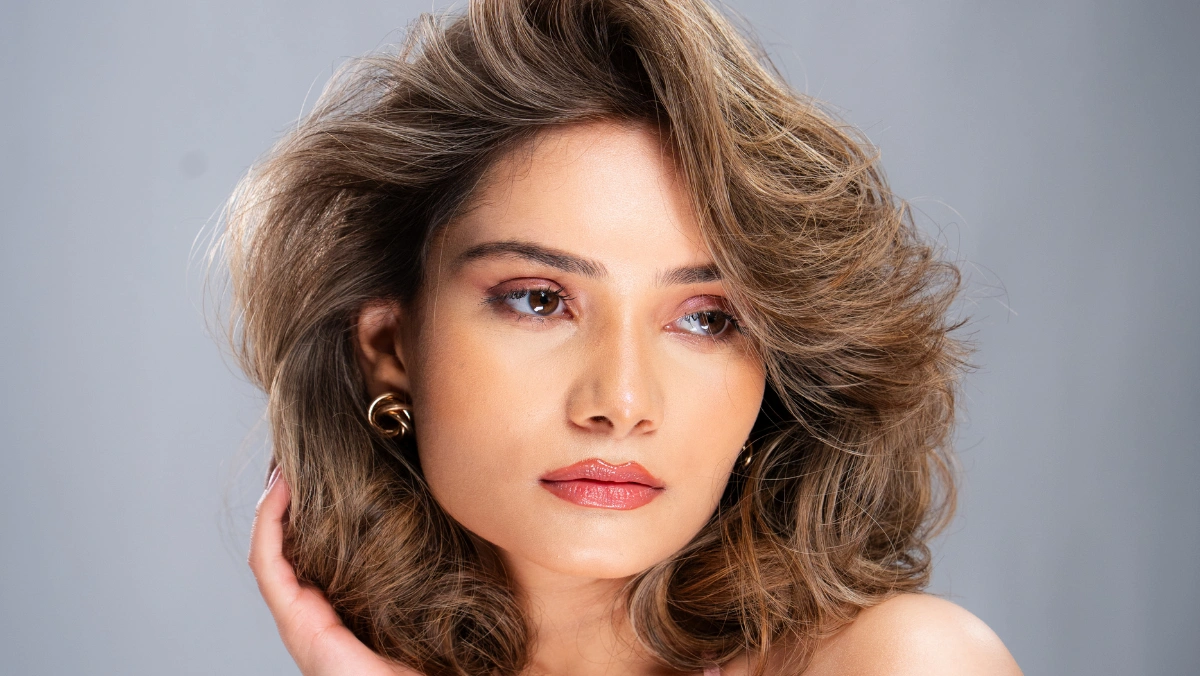
With so many shampoos, conditioners, oils, serums, and hair masks available today, building a hair care routine can feel confusing. Many people purchase products based on advertisements or social media trends, only to find that their hair still feels dry, frizzy, or damaged. The truth is that healthy hair isn't about using more products—it's about using the right products consistently. An effective hair care routine should be simple, personalized, and easy to follow. When your routine is designed according to your hair type and lifestyle, it becomes much easier to maintain healthy, strong, and beautiful hair throughout the year.
A hair care routine is a set of daily and weekly habits that keep your hair and scalp clean, nourished, and protected. Rather than following the same routine as everyone else, it should be customized to your hair type, scalp condition, and specific concerns. A balanced routine focuses on prevention as well as maintenance, helping your hair stay healthy before problems develop.
Even high-quality products cannot deliver consistent results without proper application and a regular hair care routine.
Your routine may need adjustment if you notice:
These signs often indicate that your current routine isn't fully meeting your hair's needs.
Every person's hair is different. Curly hair requires different care than straight hair, while color-treated hair needs more protection than untreated hair. Using a routine designed specifically for your hair can help maintain moisture, reduce damage, and support overall hair health. Professional hairstylists often recommend customized routines because they can address individual hair concerns more effectively than generic solutions.
Understanding whether your hair is straight, wavy, curly, oily, dry, fine, or thick helps you choose the right products and treatments for your specific needs.
Use a shampoo that suits your hair and scalp type. A gentle cleanser can remove dirt, excess oil, and buildup without unnecessarily stripping away natural moisture.
Conditioner helps smooth the hair cuticle, reduce frizz, and improve softness. Apply it after every wash, focusing mainly on the mid-lengths and ends.
A weekly deep conditioning treatment can restore moisture, improve softness, and support stronger, more flexible hair.
If you regularly use styling tools, apply a heat protectant before blow-drying, straightening, or curling your hair. Limiting excessive heat exposure can also help reduce dryness and breakage.
Regular trims help remove split ends and keep your hairstyle looking healthy, neat, and manageable.
Professional hair consultations and treatments can help identify specific hair concerns and provide personalized care to keep your hair in its best condition.
Every hair type can benefit from consistent care that is suited to its individual needs.
Simple daily habits, when followed consistently, can make a significant difference in the overall appearance and condition of your hair.
To maintain healthy hair over the long term:
Healthy hair is built through consistent care rather than quick fixes. Making small, sustainable changes to your daily routine can support healthier-looking hair over time.
A successful hair care routine doesn't have to be complicated. By understanding your hair type, choosing suitable products, and following a consistent routine, you can achieve healthier, smoother, and more manageable hair. Pair your daily care with regular professional salon treatments, and you can maintain long-lasting results that keep your hair looking and feeling its best every day.