

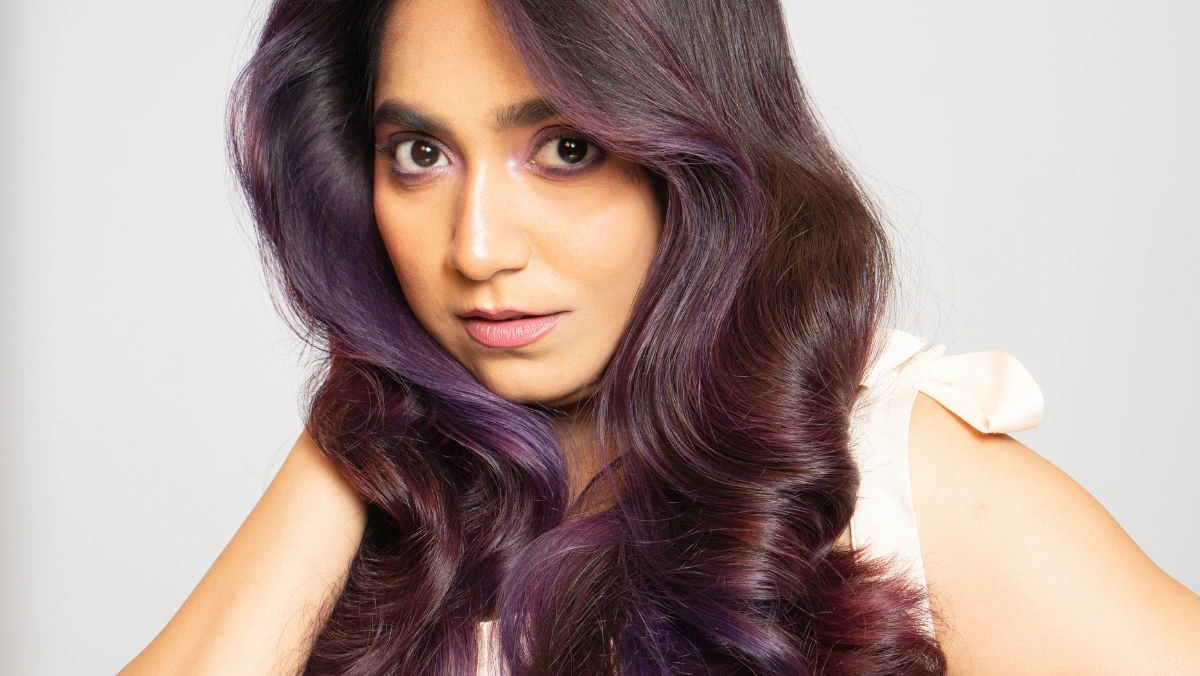
When people experience hair problems, they often blame the weather, hair products, or genetics. While these factors do play a role, your daily lifestyle has a much bigger impact on your hair health than many people realize. Poor eating habits, lack of sleep, stress, dehydration, and unhealthy routines can gradually weaken your hair, making it dry, brittle, and prone to breakage. Healthy hair isn't achieved only through salon treatments or expensive products. It starts with taking care of your overall well-being. By making a few positive lifestyle changes, you can improve the strength, shine, and health of your hair from the inside out. Your hair depends on proper nutrition, hydration, blood circulation, and hormonal balance to grow healthy and strong. When your body doesn't receive the nutrients and care it needs, your hair is often one of the first places where the effects become visible. Healthy lifestyle habits support stronger hair growth, while unhealthy habits can slow growth and contribute to common hair concerns.
Making improvements in these areas can significantly benefit your hair.
Your daily habits may be impacting your hair if you notice:
These signs often indicate that your hair needs support both internally and externally.
Hair is made primarily of protein and requires a steady supply of nutrients to stay healthy. Poor nutrition or ongoing stress can interrupt the natural hair growth cycle, leading to weaker hair and increased shedding. Similarly, dehydration can reduce your hair's moisture levels, while lack of sleep may affect your body's ability to repair and regenerate healthy cells. A balanced lifestyle supports healthy hair growth and improves the effectiveness of professional salon treatments.
Include foods rich in:
These nutrients support stronger hair from the roots.
Drinking enough water helps maintain moisture in your scalp and hair, reducing dryness and improving elasticity.
Aim for 7–8 hours of quality sleep each night. Proper rest allows your body to repair tissues and support healthy hair growth.
Chronic stress can contribute to increased hair fall. Activities such as exercise, meditation, or spending time on hobbies can help reduce stress levels.
Physical activity improves blood circulation, allowing nutrients and oxygen to reach your hair follicles more effectively.
Limiting smoking and excessive alcohol consumption can improve overall health, including the condition of your hair and scalp.
Use products suitable for your hair type, avoid excessive heat styling, and schedule regular salon treatments to keep your hair healthy.
Everyone benefits from improving their daily routine.
The benefits extend beyond your hair and improve your overall well-being.
For long-lasting results:
Healthy habits practiced every day produce the best long-term results.
Your lifestyle has a powerful influence on the health of your hair. While professional salon treatments and quality hair products are important, they work best when combined with proper nutrition, hydration, adequate sleep, stress management, and healthy daily habits. By taking care of your body as well as your hair, you create the perfect foundation for stronger, shinier, and healthier hair that looks and feels its best every day.